


Call 1-281-241-9418 or connect with an expansion joint expert.
Overview
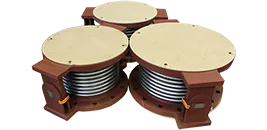
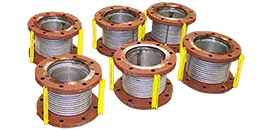
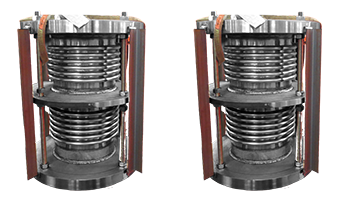
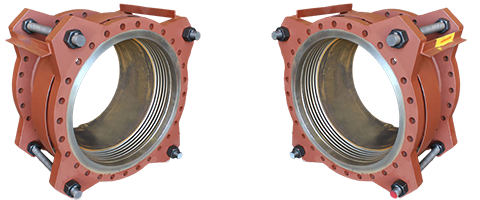
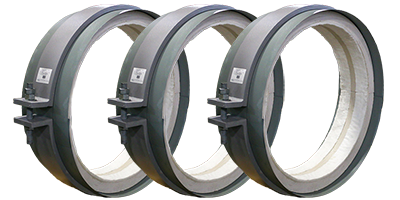
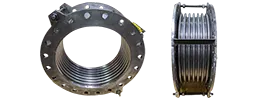
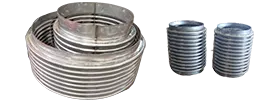
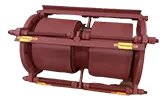
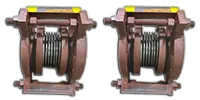
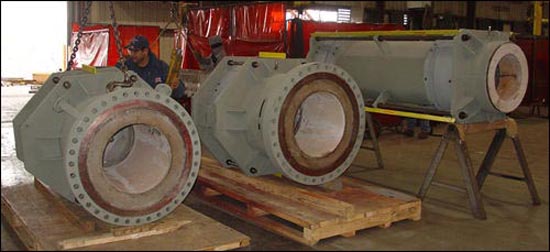
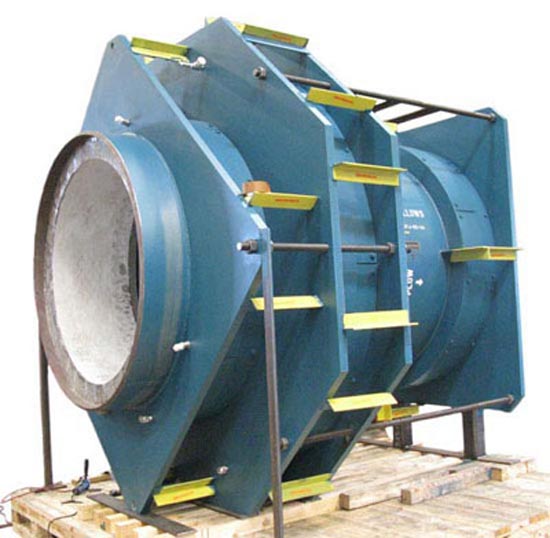
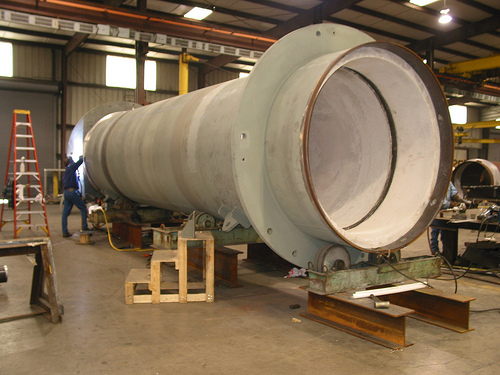
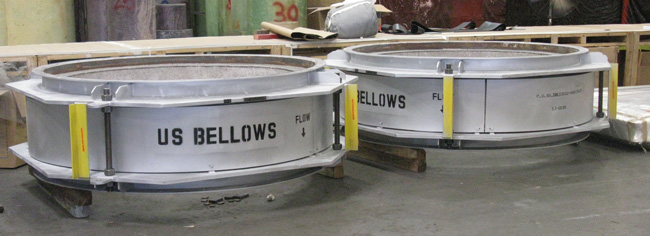
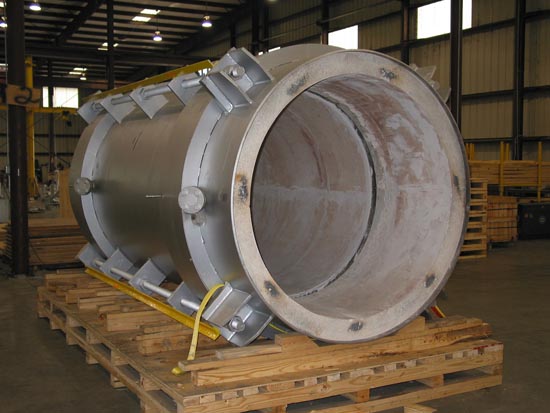
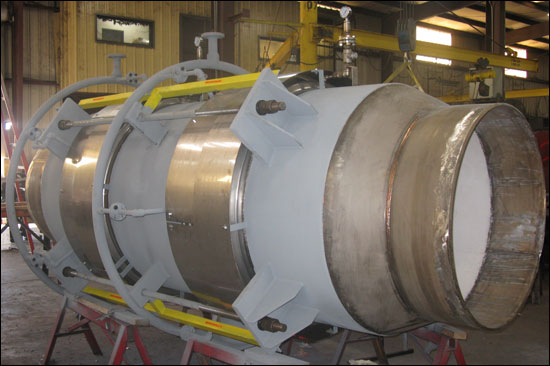
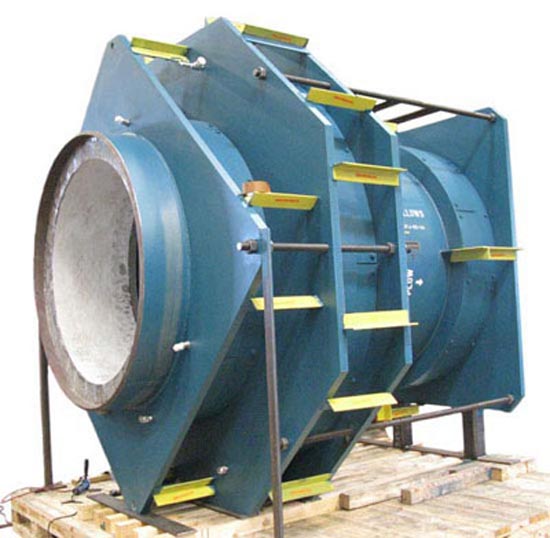
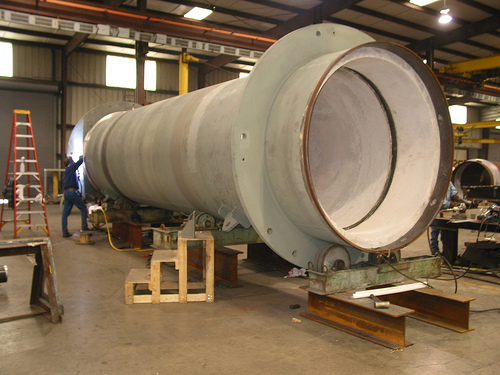
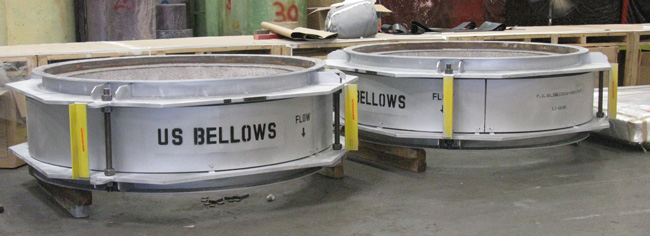
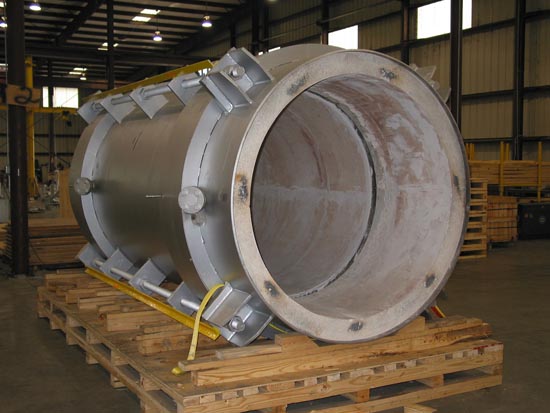
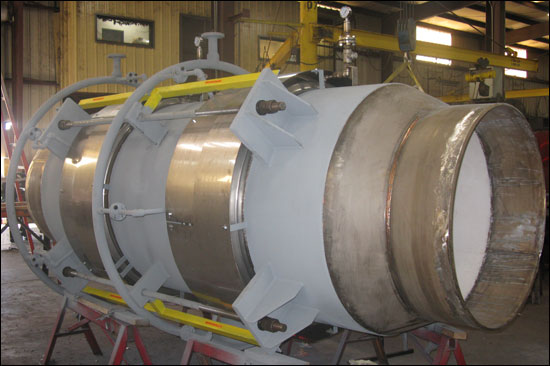
Refractory-lined pipe expansion joints are engineered for extreme high-temperature applications more than to 1400°F, including Fluid Catalytic Cracking Units (FCCU), furnaces, hot gas turbines, styrene plants, steel mills, kilns, and thermal oxidizers. At US Bellows, bellows are packed with Ceramic-wool and lined with insulating refractory, reducing refractory pipe OD wall temperatures significantly while protecting the bellows from abrasion caused by abrasive particle flow. A thicker refractory lining, also enables the use of carbon steel pipe in place of costly 300-series stainless steel. Every refractory-lined expansion joint is custom-designed to accommodate specific temperature, pressure, movement, and flow media conditions across the most demanding industrial environments.
Features
- Eliminates pressure instability
- Good for large axial compression or extension
Technical Information
Installation & Maintenance (Metallic Expansion Joints)
Diagram of a Refractory Lined Expansion Joint
Types of Metallic Bellows Deflections
Bellows Expansion Joint Loads
How to Look for Signs of Expansion Joint Failure
View more Technical Information
FAQs
Q: What industries use refractory-lined pipe expansion joints?
A: Refractory-lined pipe expansion joints are used in FCCUs, furnaces, hot gas turbines, styrene plants, steel mills, fluidized bed boilers, kilns, power recovery trains, and thermal oxidizers.
Q: What temperature range can refractory-lined expansion joints handle?
A: Refractory-lined expansion joints are typically designed for applications of around 1400°F, however thicker refractories can handle temperatures of up to 2,800°F. Depending on the plant and application, the insulation design reduces refractory pipe wall temperatures to between 300–450°F through insulating lining.
Q: What material benefit does refractory lining provide?
A: The refractory lining allows carbon steel pipe to be used instead of costly 300 series stainless steel, significantly reducing material costs in high-temperature refractory-lined pipe applications.
Q: Are refractory-lined expansion joints available in different configurations?
A: Yes, refractory pipe expansion joints can be configured as hinged, gimbal, in-line pressure balanced, tied-universal, and pantographic linkage designs depending on application requirements.
How to Test an Expansion Joint?
How do metallic bellows function?
Case Studies
2/1/15: 84″ Dia. Refractory Lined Universal Expansion Joint Designed for an FCC Unit
4/14/13: Refractory Lined Expansion Joint Designed for a Clean Fuels Project
5/2/03: Refractory-lined Expansion Joint for an FFC Unit in India
Request A Quote